
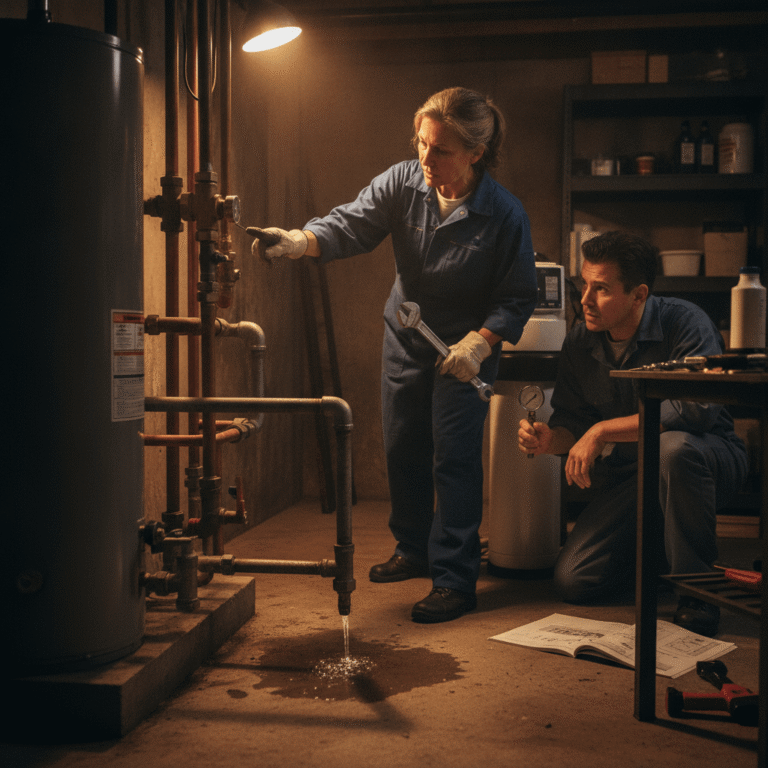





Our homes are intricate networks, much like the broader interconnected world that BCPIA often explores. Just as the internet connects people globally, plumbing systems connect various parts of a house, delivering essential resources. When one part of this system falters, it can disrupt our daily routines. One common yet deeply frustrating issue homeowners encounter is inconsistent water pressure.
I have seen countless instances where this problem causes everything from a weak shower spray to appliance malfunctions. It is a fundamental aspect of home comfort and efficiency, so understanding how to address it is crucial. This article will guide you through the various causes of household water pressure problems and offer practical steps to resolve them.
We will cover everything from basic checks you can do yourself to identifying when it is time to call in a professional. My goal is to equip you with the knowledge needed for effectively handling household water pressure issues. You can have a more smoothly running home by knowing what to look for.
Understanding What Causes Low Water Pressure
Low water pressure can feel like a small annoyance at first, but it quickly becomes a major headache. Imagine trying to wash dishes or take a decent shower with just a trickle of water. This problem often stems from several common culprits within your home’s plumbing system or even from outside sources. It is important to systematically check these areas to pinpoint the cause.
One frequent cause is an issue with the municipal water supply itself. Sometimes, work being done on city water lines or a local leak can reduce pressure to your entire neighborhood. If your neighbors are experiencing similar issues, the problem likely lies beyond your property line. You can usually confirm this by contacting your local water utility.
Another significant factor can be a partially closed main shut-off valve. This valve controls all water entering your home. If it is not fully open, it restricts the flow to every fixture. It is surprising how often this simple oversight is the cause of widespread low pressure throughout a house.
Then there is the pressure regulator, a device many homes have where the main water line enters the house. This component is designed to reduce and stabilize the incoming water pressure from the street. Over time, these regulators can fail or become clogged, leading to either excessively low or high pressure. A failing regulator will not be able to do its job correctly.
Checking Your Main Water Supply
When facing low water pressure, I always start by checking the main water supply to the house. This first step helps determine if the problem is localized or affecting the entire home. It helps focus our investigation.
Locate your main shut-off valve. This valve is typically found where the water line enters your house, often in the basement, utility closet, or outside near your water meter. Ensure it is fully open. Sometimes, it can get bumped or partially closed during other repairs without anyone realizing it.
Next, ask your neighbors if they are also experiencing low water pressure. If they are, then the issue is likely with your municipal water provider. This means the problem is not something you can fix yourself. If your neighbors have normal pressure, then the issue is definitely on your property. This knowledge helps narrow down your next steps.
Diagnosing High Water Pressure Problems
While low water pressure is annoying, high water pressure can be even more damaging to your household plumbing and appliances. Excess pressure puts undue strain on pipes, fittings, and seals, leading to premature wear and tear. I have seen homes where chronic high pressure has caused expensive appliance failures and recurring leaks.
Symptoms of high water pressure can include banging pipes when you turn faucets on or off. This sound is often called water hammer and it indicates a sudden stop or change in water flow under high pressure. You might also notice faucets dripping or toilets running constantly. These issues are caused by the pressure overwhelming the seals inside your fixtures.
Appliances like washing machines and dishwashers are also vulnerable. High pressure can shorten their lifespan by stressing internal components and hoses. Burst pipes, especially in older homes, become a real risk with unchecked high pressure. Understanding these signs is key to addressing the problem quickly.
The Role of a Pressure Reducing Valve (PRV)
The unsung hero in maintaining proper water pressure in many homes is the pressure reducing valve or PRV. This essential device is installed on your main water line where it enters the house. Its primary function is to bring down high municipal water pressure to a safe and consistent level for your home’s plumbing system. Without a working PRV, your entire system would be subject to the fluctuating and often excessive pressure from the city supply.
I consider the PRV a critical component for plumbing longevity. It protects everything from your washing machine to your shower heads from the stress of high pressure. You can often find your PRV near your main shut-off valve. It looks like a bell-shaped device with an adjustment screw on top.
To test if your PRV is working correctly, you will need a water pressure gauge. Screw it onto an outdoor spigot and turn on the water. If the reading is consistently above 80 psi, your PRV might need adjustment or replacement. A healthy PRV will keep your pressure in the ideal range of 40-60 psi.
Step-by-Step Guide to Adjusting Water Pressure (DIY Checks)
Before calling a plumber, there are a few simple checks and minor adjustments you can perform yourself to address water pressure problems. These steps can help you diagnose the issue or even resolve it, saving you time and money. I always encourage homeowners to understand their systems better.
First, you need to measure your home’s water pressure. You will need a water pressure gauge, which screws onto any outdoor hose spigot. Turn off all water in your house, including dishwashers and washing machines. Attach the gauge to a spigot closest to your main water line and open the spigot fully. The gauge will give you a reading in pounds per square inch (psi). An ideal range is generally between 40 and 60 psi.
If your pressure is too high or too low and you have a PRV, you might be able to adjust it. Locate the adjustment screw on your PRV. It often has a locknut that you need to loosen first. To increase pressure, turn the screw clockwise a quarter turn at a time. To decrease pressure, turn it counter-clockwise. After each adjustment, recheck the pressure with your gauge and test the water flow inside your home.
Make sure to monitor the pressure over a few hours to ensure it stabilizes. Small, incremental changes are best to avoid over-adjusting. If you are unsure or uncomfortable with this step, it is perfectly fine to stop here.
Addressing Common Household Fixture Issues
Sometimes, the problem with water pressure is not system-wide. Instead, it is isolated to a single faucet, shower, or appliance. This usually points to an issue with that specific fixture itself. I have found that individual fixture problems are often easier to diagnose and fix than whole-house issues.
One of the most common causes of low water pressure in a single fixture is a clogged aerator. The aerator is the small screen at the end of your faucet spout. Over time, mineral deposits or debris from your water supply can build up there, restricting water flow. To fix this, you can unscrew the aerator by hand or with a wrench, clean out any sediment, and then reattach it. You will often be surprised by how much gunk can accumulate.
Similarly, showerheads can become clogged with mineral deposits, especially if you have hard water. You can often unscrew the showerhead and soak it in a solution of vinegar and water overnight to dissolve the buildup. Small brushes or toothpicks can help clear stubborn holes. Always check the rubber washer for damage before reattaching.
Clogged pipes can also cause isolated low pressure. This is more common in older homes with galvanized steel pipes where rust and scale accumulate over decades. If a fixture has always had low pressure, or if the pressure has steadily declined over a long period, localized pipe corrosion might be the problem. This kind of issue is usually beyond a simple DIY fix.
When to Call a Professional for Water Pressure Issues
While many minor water pressure issues can be resolved with some DIY effort, there are definite situations where professional help is not just recommended, but essential. Knowing when to call a plumber can save you from costly mistakes or even further damage to your home’s plumbing system. I always tell people it is better to be safe than sorry with these kinds of things.
If you have tried the basic troubleshooting steps like checking your main shut-off valve or cleaning aerators and showerheads and the problem persists, it is a clear sign that a professional is needed. Widespread issues affecting all fixtures or sudden drops in pressure across the entire house usually point to a more complex underlying problem. These could include a faulty pressure reducing valve, serious leaks in your main water line, or issues with your water heater.
Pipe leaks are particularly tricky to diagnose and repair yourself, especially if they are behind walls or under the foundation. A professional plumber has specialized tools and experience to locate and fix these leaks efficiently. Also, if you suspect issues with your well pump or water main coming from the street, those require expert attention. Attempting to tamper with these components without proper knowledge can lead to bigger problems and potentially violate local codes.
Sometimes, pinpointing the exact cause or attempting repairs yourself can be overwhelming. This is when considering finding a good local plumber becomes important. A skilled plumber brings not only their expertise but also the right tools to accurately diagnose and safely resolve any water pressure challenge. They understand local regulations and can ensure any repairs are up to code. It is about protecting your investment and ensuring your home’s plumbing operates safely and efficiently.
Maintaining Optimal Water Pressure for a Healthy Home
Maintaining optimal water pressure is not just about convenience; it is a critical part of ensuring the overall health and longevity of your home’s plumbing system. I see it as part of a holistic approach to home maintenance, much like keeping your home automation systems running smoothly. Regular attention to your water pressure can prevent costly repairs and extend the life of your appliances and fixtures.
I recommend periodically checking your water pressure with a gauge, perhaps once a year. This simple test gives you an early warning if pressure starts to creep too high or dip too low. Being proactive means you can address minor adjustments before they become major problems. It also lets you know if your PRV is still functioning effectively.
Another key maintenance step involves regularly cleaning aerators and showerheads. As we discussed, mineral buildup is a silent enemy of consistent water flow. A quick clean every few months can make a big difference, especially in areas with hard water. You can usually tell when it is time because the spray pattern becomes irregular or the flow noticeably weakens.
If you notice any signs of leaks, like unexplained wet spots or a sudden spike in your water bill, investigate immediately. Even small leaks can eventually affect water pressure and cause significant damage over time. Addressing these issues quickly keeps your system intact. A well-maintained plumbing system with proper water pressure contributes significantly to a comfortable and efficient living environment for everyone.
Conclusion on Handling Household Water Pressure Issues
Handling household water pressure issues is a key part of maintaining a comfortable and efficient home. We have explored the common causes of both low and high water pressure, from municipal supply problems and main shut-off valve settings to the vital role of your home’s pressure reducing valve. I have also guided you through practical DIY checks, such as using a water pressure gauge and cleaning clogged fixtures like aerators and showerheads. These steps can often resolve many common pressure inconsistencies without the need for professional intervention.
However, it is equally important to recognize when a problem is beyond simple fixes. Persistent issues, suspected pipe leaks, or complications with major components like your PRV or main water line warrant the expertise of a professional plumber. Timely action not only restores proper water flow but also protects your plumbing system and appliances from potential damage. Taking a proactive approach by regularly monitoring your water pressure and performing routine maintenance will contribute to the overall health of your home. A reliable water supply with consistent pressure truly makes a big difference in daily living. I encourage you to use this knowledge to ensure your home’s plumbing operates at its best, providing comfort and peace of mind for years to come.
